
On September 19, experts in the metro field from Shanghai and Tokyo engaged in an online exchange, delving into the current development status and future directions of fully automated metro operation systems (GoA4). The meeting was jointly organized by Shanghai University of Engineering Science and the University of Tokyo, with participation from experts and managers of Chinese and Japanese institutions, including Shanghai Shentong Metro Group Co., Ltd., the Japan Subway Association, and Tokyo Metro, to discuss industry development.
At the beginning of the meeting, Professor Liu Zhigang, Dean of School of Urban Railway Transportation at Shanghai University of Engineering Science, delivered a speech. He noted that China's rail transit is entering a new phase of high-quality development, and Japan's experience in operation and maintenance is particularly valuable for reference. Mr. Hagiwara from the Japan Subway Association responded by pointing out that although Japanese metro systems already possess the technical conditions for automated driving, they continue to adhere to driver-supervised modes to ensure safety. He expressed eagerness to learn about Shanghai's practices and achievements in GoA4 systems.
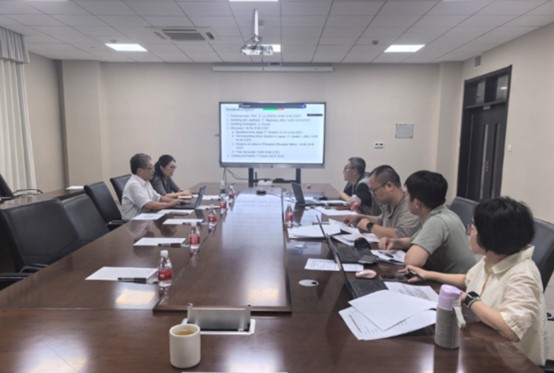
During the exchange session, both sides focused on discussing the development background, daily operation management, emergency response, and future trends of fully automated metro operation. Chinese experts shared practical achievements in the intelligent development of local rail transit, introducing specific approaches to improving line operation efficiency and optimizing passenger travel experiences. Japanese experts exchanged insights on Japan's metro operation management details and safety risk prevention and control. On topics of mutual concern in the industry, both sides openly exchanged views and expressed willingness to further deepen cross-border cooperation and learn from each other.
This online exchange not only broke geographical barriers and built an efficient communication bridge for the metro industries of China and Japan but also allowed both sides to reach numerous consensuses on intelligent development strategies and operation management experiences. Both parties unanimously agreed to use this meeting as a starting point to explore the establishment of a regular communication mechanism, continue dialogues on hot topics in the rail transit field, and jointly contribute to promoting the high-quality development of the global metro industry.